

Louisville’s first museum & gallery dedicated to Outsider Art.
Located in the historic Portland neighborhood.
F R E E & O P E N T O T H E P U B L I C .
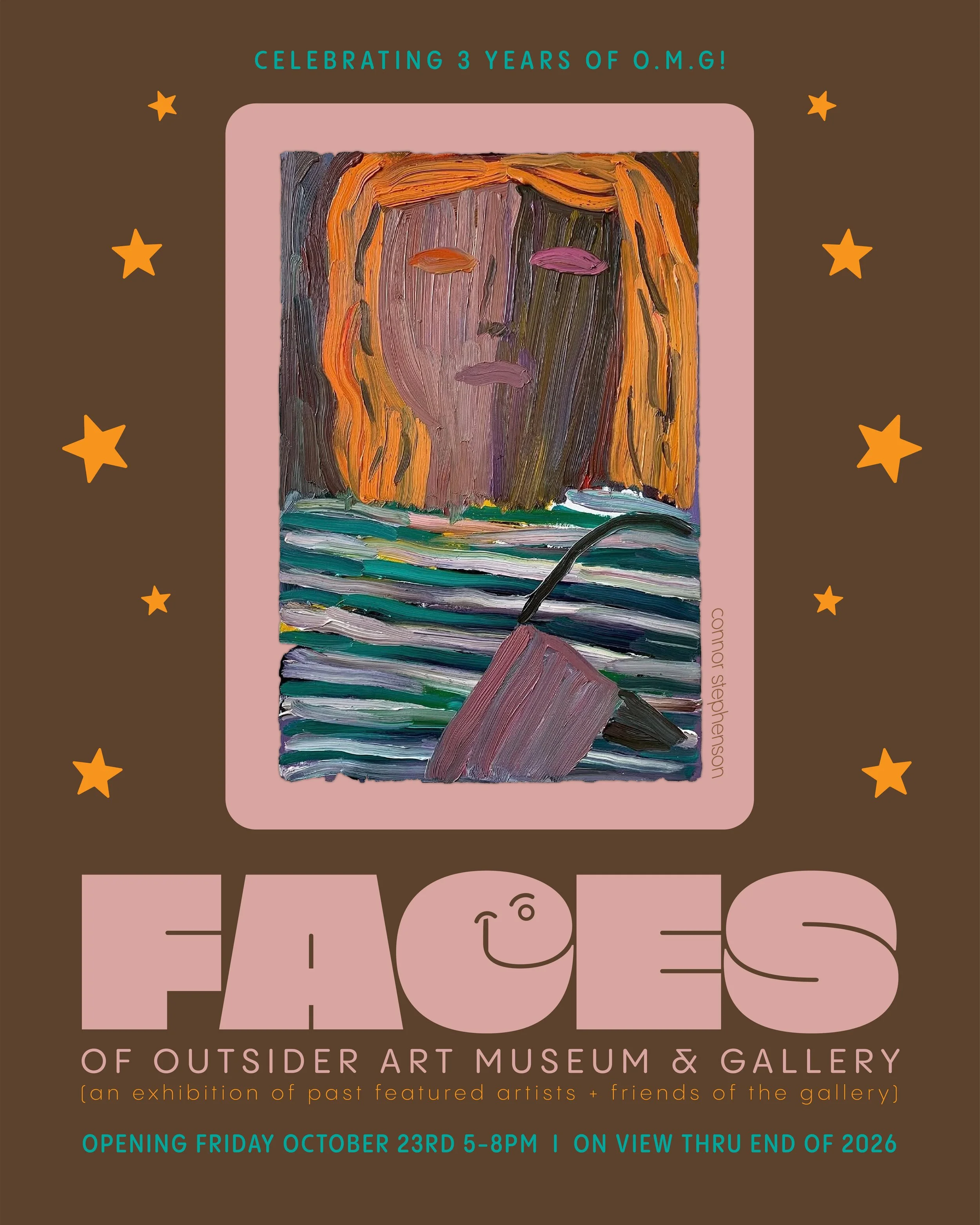
O P E N I N G O C T O B E R 2 3 R D :
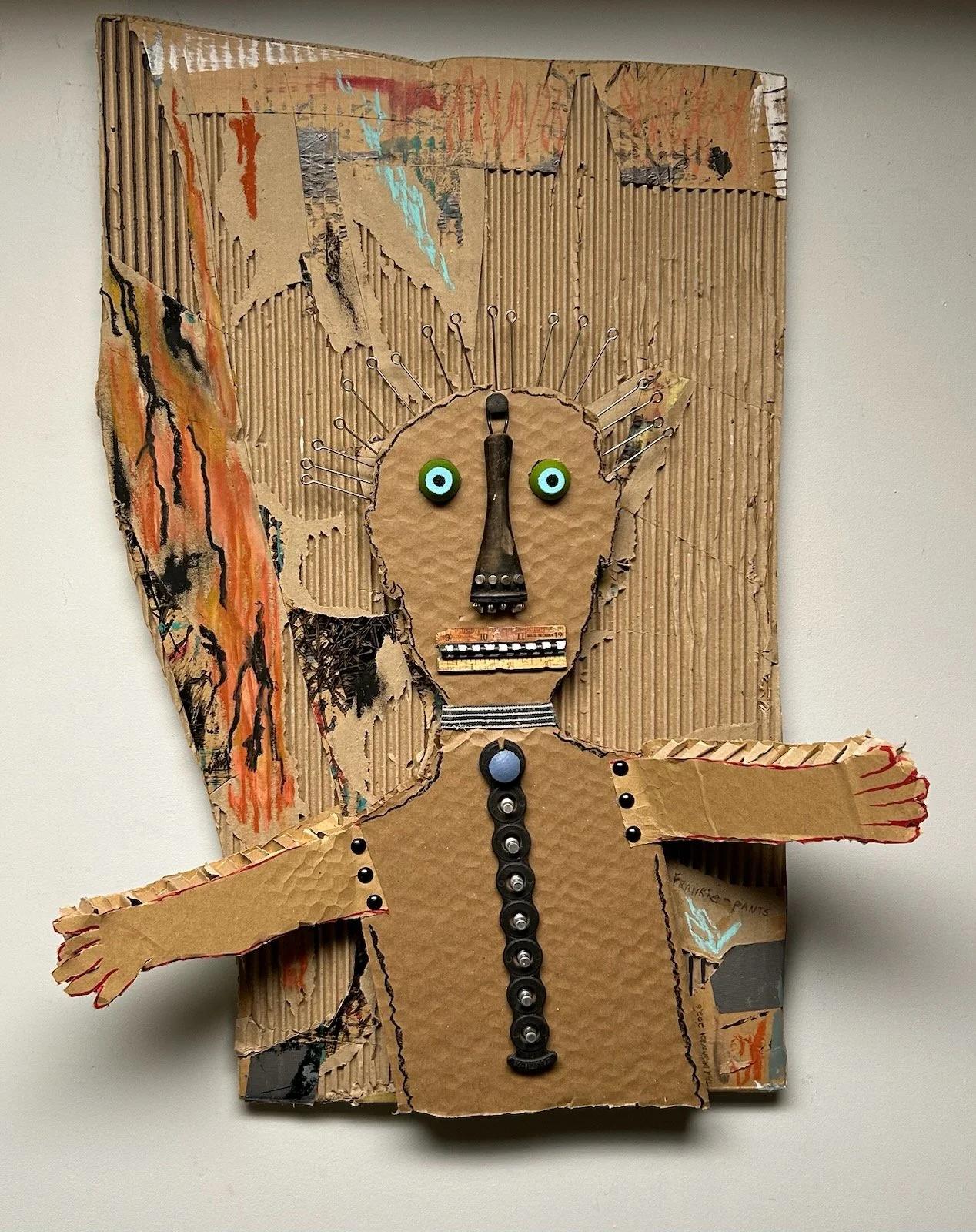
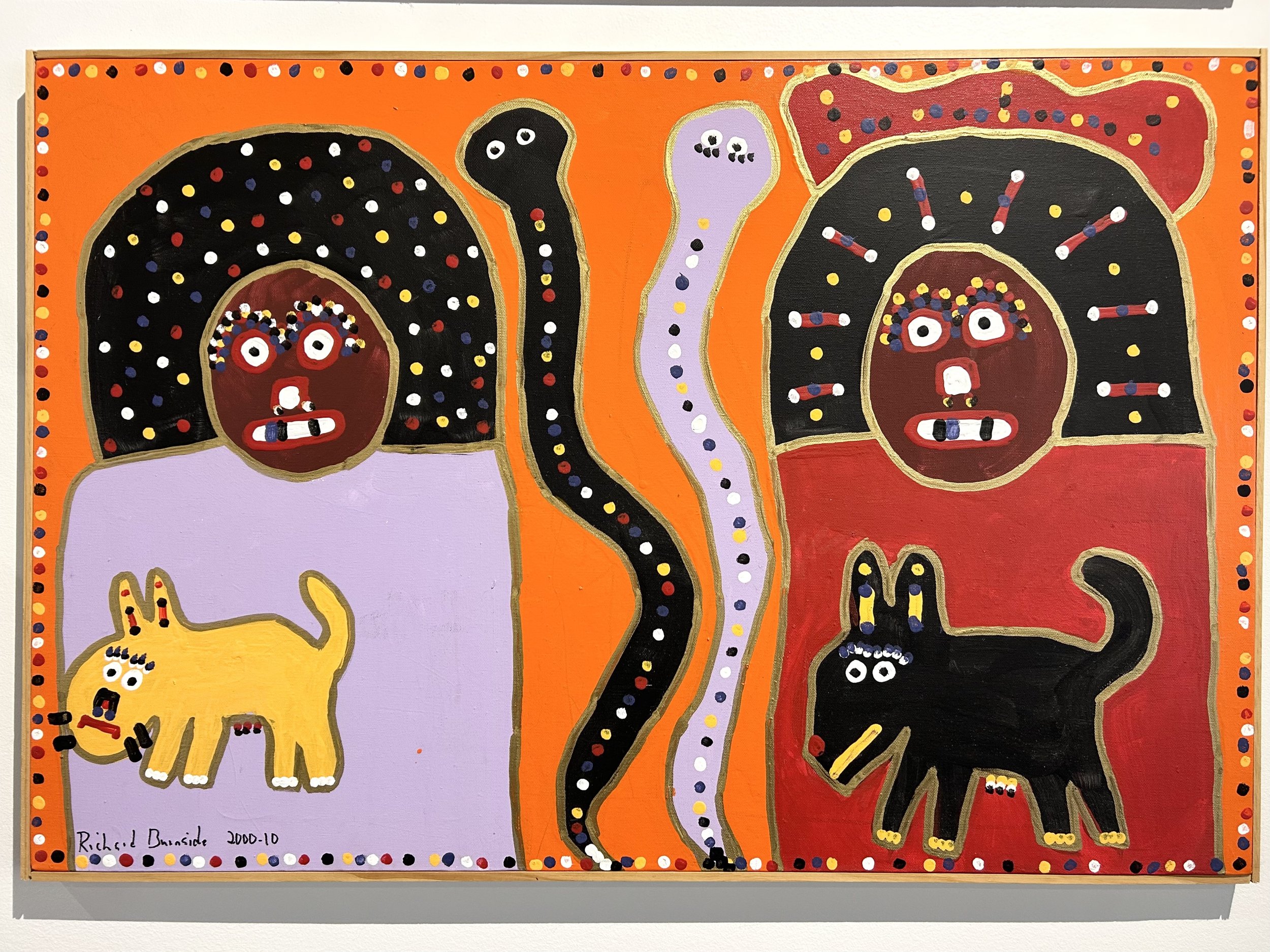
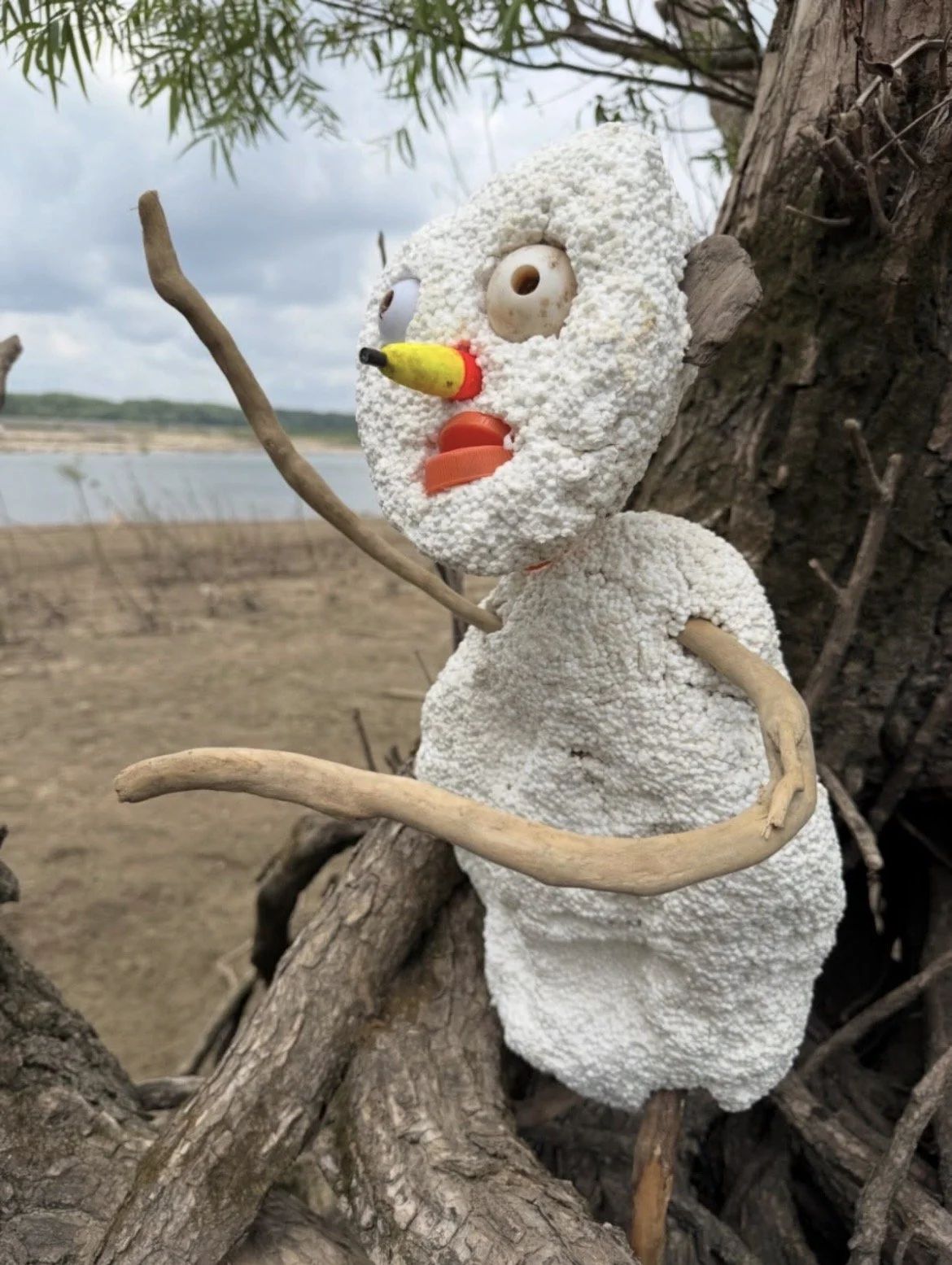
What is Outsider Art?
What is Outsider Art?
The exact definition of Outsider Art has been a matter of some controversy ever since awareness of the phenomenon began. Broadly, the term can be applied to forms of creative expression that exist outside accepted cultural norms, or the realm of “fine art.” Today, Outsider Art is often used as a short hand for Self-Taught Art, Folk Art, Visionary (or Intuitive) Art, Naive Art, and Art Brut.
The term "Outsider Art" was introduced by French artist Jean Dubuffet in 1972 and was originally intended to act as an exact English equivalent to the French term Art Brut, meaning "raw art". Raw because the work is "uncooked" or "unadulterated" by culture. It is creation in its most direct and uninhibited form. These artists are seen to exist outside established culture and society. The purest of Art Brut creators would not consider themselves artists, nor would they even feel that they were producing art at all.
Following from this, the term Outsider Art has been used increasingly loosely and can often now refer to any artist who is untrained OR with disabilities OR suffering social exclusion, whatever the nature of their work. Because not all artists working in this field are disabled or living on the fringes, this classification can come with a stigma attached. Therefore, Self-taught Art is a popular term in the United States which avoids these stigmas. Many American artists are already pushed to the outer limits of society as a result of prejudice and feel this term offers more dignity.
For more information on different aspects of Outsider Art, please click the link below. (Credit: Raw Vision).

SUBSCRIBE!
SUBSCRIBE!
